
Who are You?
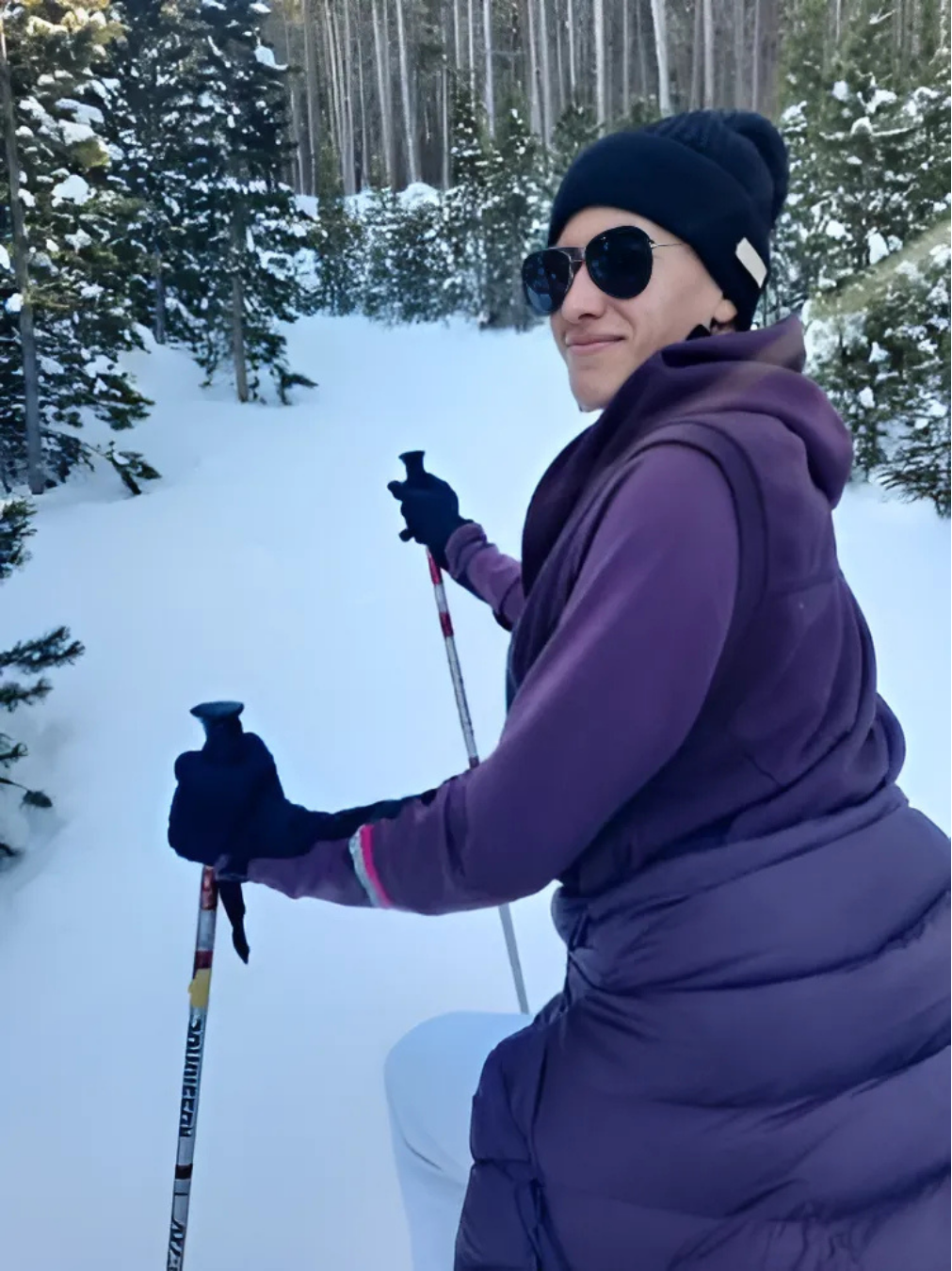
Erica Lee
Restorative Justice Practitioner & Beneficiary
I love my two younger brothers and my family more than they know. I think we need a world where we can be brutally honest and humorous about the human condition.
I have dealt with autoimmune disorder a majority of my life, and keep saying that it's cycling out in hopes that one day this pattern (the immune system is trying to protect me, but is on hyper overdrive, therefore actually harming me (sound familiar?)) will transition to be in healthy balance once again. As a youth, in the face of this autoimmune condition Alopecia hair loss, shaved headed women were not yet in vogue (I’ve always been a trend setter) and I was desperate to belong. I developed a nasty habit of stealing so that I could buy stuff I did not want to impress people that I did not care about. I adopted a core belief that if my needs are going to get met, you are going to have to suffer. If my needs are going to get met, someone has to lose. This is manifested into what some would call criminal behavior, harmful at best.
If all that I have done was just to get me to restorative justice, I am grateful for that. Because of my identity, the way I look, the people I surround myself with, and my family I get to heal harm with grace and beauty. I'm not okay with the fact that so people, whether they did more or less harm than I did, are serving time behind bars and inhumane conditions without the opportunity to heal and live with beauty. We all deserve better than this. These punitive approaches do not achieve the safety and efficiency they promise.
I was raised in the restaurant industry, and from a young age knew that restaurants did and do have the potential to be a spoke wheel of healthy community. Simultaneously, I saw the height of drug addiction, illness and single parent economic hustle in my colleagues.
I saw growing up in the restaurant the absolute necessity for every person to be on the floor, the humming aliveness of hospitality, the flow, the struggle, and also the underbelly along lines of race and racism, Someone who happened to work in the front of the house, public facing; they were predominantly white, English speaking, United States citizens meeting the back of the house that was predominantly Latinx, Spanish speaking, without United States citizenship. There were exceptions, but the stereotype ran deep. While I can understand having affinity with people you share a common experience with, the venom and the viciousness across lines of race, gender, language, country of origin and ability was unappetizing at best. As an older sister I learned that I have influence and that my younger brothers were consciously or unconsciously vulnerable to our family trauma. We are all healing now. That’s what motivates me to change.
Thank goodness mentors began to show up; people who could see me when I could not see myself; wisdom keepers who understand the way of rite of passage work for youth to be transitioned into adulthood (late bloomers welcome) with the hope that we remember what we learn, take it back to our communities, and are recognized + reintegrated in our community as changed. I am community taught. I have never been institutionalized in higher education, and part of me takes pride in a type of freedom my mind has, a sense of what is possible without having to conform. At the same time, the way I have had to hustle, grind, cheat and steal gives me a certain type of imprisonment to overcome.
My hope is that we can all get free together.
Maybe we can even have some fun along the way.
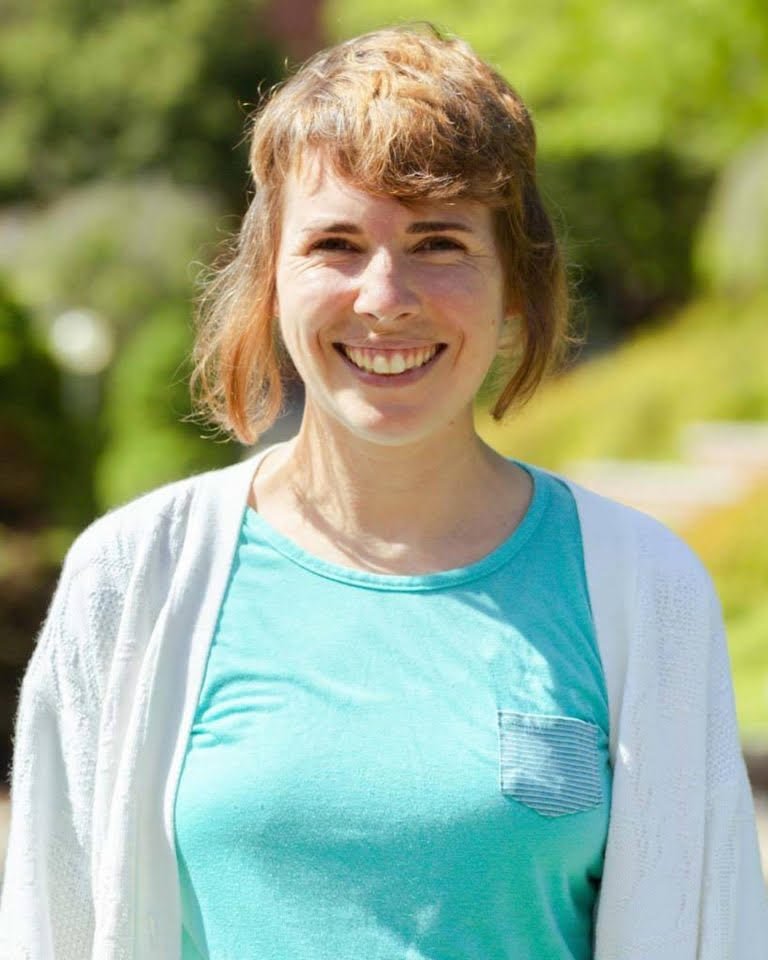
Tibby (Elisabeth) Miller
Tibby Miller is a restorative justice practitioner, facilitator, and qualitative researcher whose work centers relationship-building, systems awareness, and collective care. Trained in Restorative Justice and nonviolence, Tibby approaches community, leadership development, and culture building through a lens that emphasizes transparency, shared power, and the conditions needed for people to participate with honesty and dignity. Their work is grounded in an understanding of how harm, conflict, and burnout are shaped by larger structural pressures—including hierarchy, extraction, and internalized fear—and how healing requires both relational skill and systemic change.
Across roles in youth wellness, community facilitation, and applied research, Tibby brings a trauma-informed, participatory approach to communication and conflict transformation. They are especially attentive to emotional and cultural dynamics, neurodivergent communication needs, and the gap that often exists between institutional intention and lived impact. Tibby’s practice prioritizes slowing down, naming what is often unspoken, and creating processes that reduce reliance on individual charisma in favor of shared leadership, clear roles, and sustainable practices.
Tibby has collaborated with organizations and movements working toward justice, healing, and social change, including projects focused on Restorative Practices, public institutions, and community-based initiatives. They bring a deep commitment to reflection, mutual accountability, and embodied learning, with the belief that lasting transformation emerges when people feel resourced, heard, and meaningfully involved in shaping the systems that affect their lives.
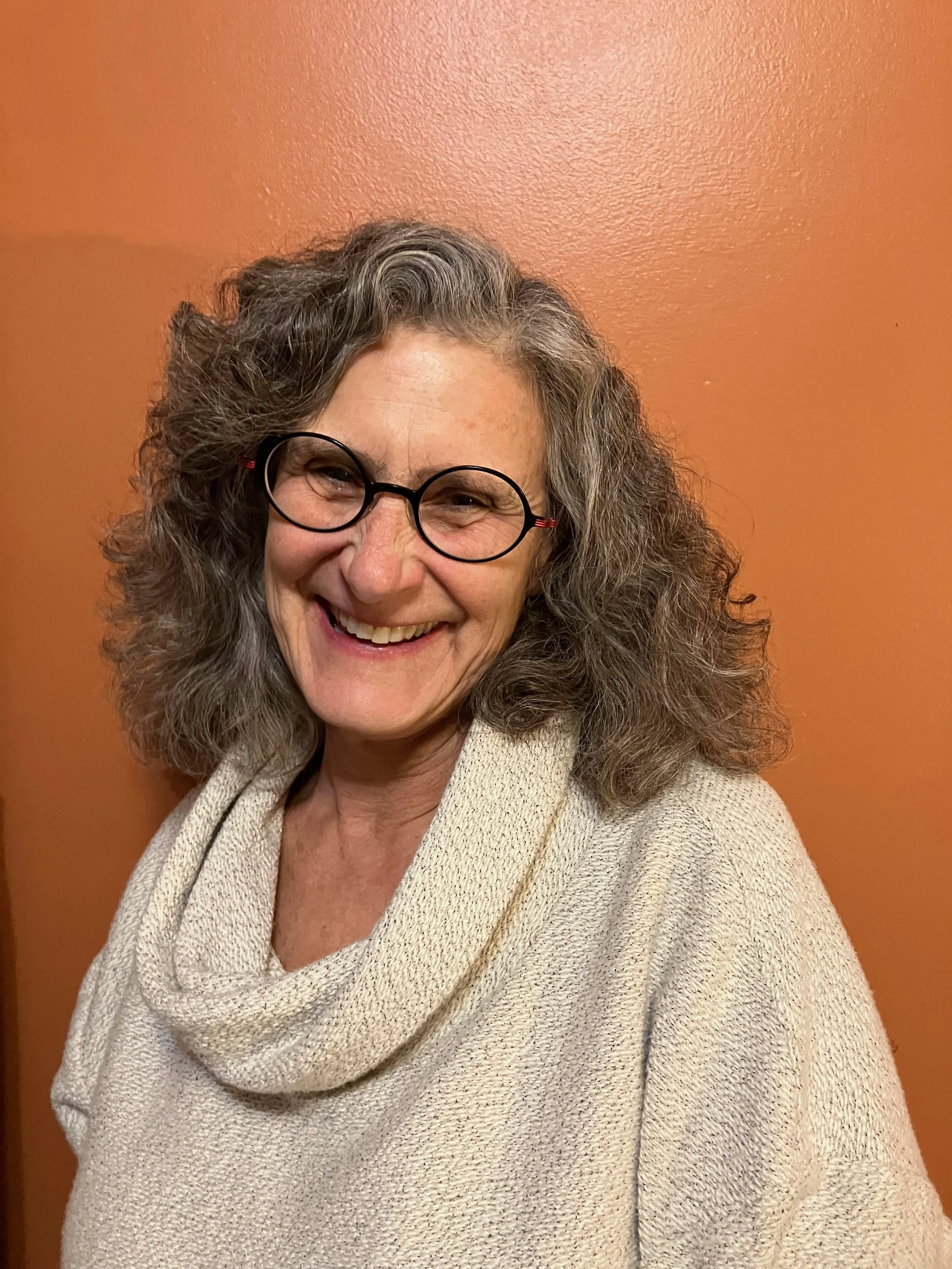
Susan Kaplan
Working in restorative conversations, I draw upon several different bodies of work. As a Certified Nonviolent Communication Trainer® with the Center for Nonviolent Communication, I bring a variety of skills and practices to support changing communication habits from life alienating to life giving patterns, healing support, leadership/team development, "preventative" skill building and practice groups to build new cultures, transforming conflict and Emergent Leadership work from Work that Reconnects (WTR) such as World Café, Pro-action Café, etc. Examples include: Restorative Conversations for families, work place teams, and congregations; Across the Divide and Convergence Facilitation for group restoration, individual and team coaching models; alternative to suspension pgm with parent focus, creating systems that support healthy and effective conversations with a Restorative Conversations Menu (train the trainer).
In addition, I am a Courage & Renewal Facilitator®, bringing practices, values and principles to create trustworthy space and access to our own personal and collective wisdom. I support culture change and leadership development with values of love, belonging, deep listening, empathetic presence to self and others, equity, diversity, community building, joy, settling practices to be present, and accountability.
As an Intercultural Development Inventory Administrator (IDI®) and Intercultural Conflict Style (IDS®) Facilitator, I help nonprofits, government agencies, congregations, leadership and teams understand where they are currently vs. what they think they are doing in intercultural interactions. I support development in their individual and collective capacity for intercultural understanding of commonalities and differences within one's own cultural group(s) and with other intercultural groups. This work is tied to the international work of the Intercultural Development Inventory organization.
In my holistic wellness work I am a Forest Bathing Guide, Forest Therapy Intervention Practitioner, Facilitator for individual and communal grief (Joanna Macy's work), Yoga teacher, Walk & Talks®, and a Social Worker. As a Jewish Mystic, I invite people into understanding the natural rhythms of contraction and spaciousness, how to listen and speak with empathetic practices, and to hold the tensions of different life experiences in life giving ways. I also am a Professional Storyteller and Story Listener, using story to support our individual experiences along side our universal interconnectedness.
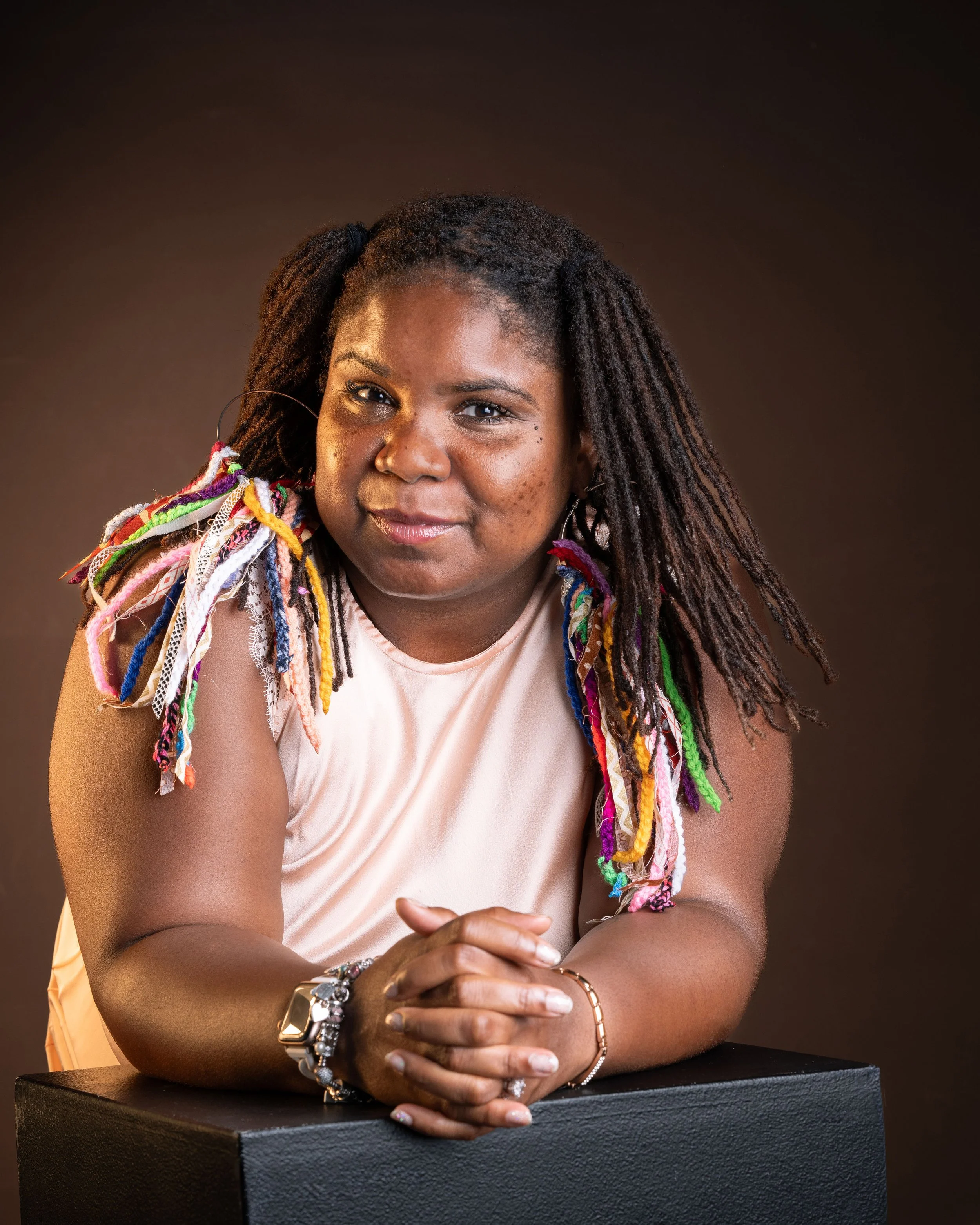
Alea Cross, (Le Cross, preferred name, pronounced "Lee" )
Le Cross is a proud Pan African womxn who honors intergenerational wisdom and her southern roots as a Milwaukeean from the 53206 zip code. She currently serves as the High School Relations and Articulations Manager at Milwaukee Area Technical College, where she is widely recognized for facilitating courageous and necessary conversations around race, class, gender, and ableism within academic spaces and access.
Le is the self-published author of Scabs and Scars (2019), a deeply reflective work exploring healing, family, and radical joy. Her writing has also been published by the Wisconsin Historical Society, including her contribution “Hope Is What I Wrestle With” in the anthology Hope Is the Thing: Wisconsinites on Perseverance in a Pandemic (2020). In 2024, her piece “Waiting to Excel” appeared in The Handbook for Aspiring Higher Education Leaders, further solidifying her voice as both a practitioner and thought leader in higher education.
With over twelve years of organizational leadership in collegiate settings, Le brings a people-centered approach grounded in strong interpersonal relationships with faculty, professional staff, and diverse student populations. She has fifteen years of experience in admissions, career development, and academic advising, primarily serving historically underrepresented, first-generation, and low-income students. Her work spans ten years of collaborative strategic planning, program development, and partnership-building with both institutional and external organizations, as well as ten years of facilitating and assessing decolonization, diversity, equity, inclusion, and institutional responsibility initiatives.
Le’s professional strengths include student development and retention theory, conflict resolution, active listening, and open-ended inquiry. She is highly skilled in collegiate technologies, and has extensive experience supporting adult learners in online environments. Known for her attention to detail, systems thinking, and ability to motivate teams, Le excels at translating vision into action while centering equity, access, and belonging
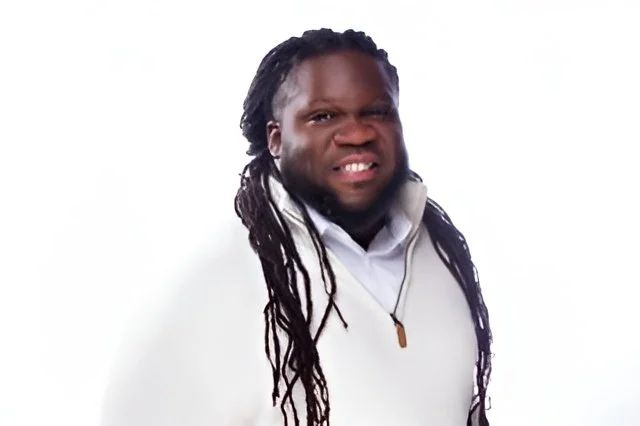
Equan Burrows
Equan A. Burrows is a strategist, community leader, and organizational practitioner whose work centers on strengthening people, institutions, and systems through values-driven leadership and intentional design. With a background spanning education, civic engagement, nonprofit leadership, and organizational development, his approach is rooted in the belief that sustainable impact emerges when mission, culture, and accountability are aligned.
Equan’s work is informed by years of hands-on experience supporting leaders and organizations navigating complexity, transition, and conflict. He approaches community and leadership development with an emphasis on trust-building, clarity of purpose, and shared responsibility—recognizing that effective leadership is relational, adaptive, and grounded in lived experience. His practice prioritizes culturally responsive strategies that honor history, identity, and context while advancing measurable outcomes.
Communication and culture building are central to Equan’s approach. He is committed to creating spaces where difficult conversations can occur with honesty, care, and courage, and where conflict is understood not as a failure, but as an opportunity for growth and transformation. His work in justice-oriented and healing spaces emphasizes accountability alongside compassion, with attention to power dynamics, equity, and collective well-being.
Guided by values of integrity, stewardship, and collective liberation, Equan brings a systems-level lens to his work—helping individuals and organizations move from intention to impact. He believes that meaningful change is sustained not through rhetoric alone, but through disciplined practice, reflective leadership, and a deep commitment to community.
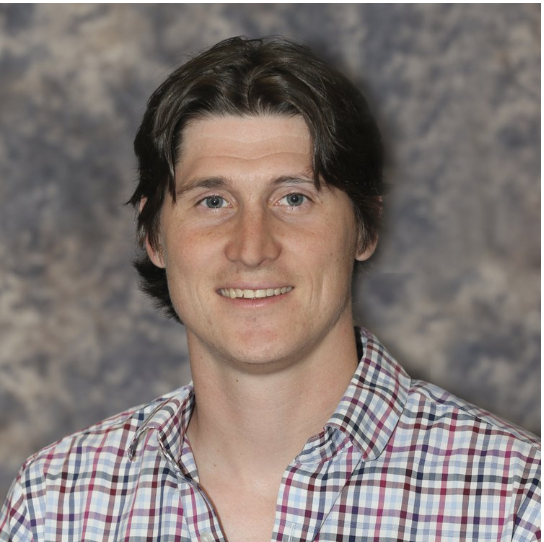
Aiden Allen
Aiden Allen is the Director of Training and Programs for BRITE Collaborative, in Longmont Colorado. Aiden has provided conflict mediation and conflict resolution training to the county of Boulder, Saint Vrain Valley Schools, the City of Longmont, and other organizations to help teams and communities handle conflict generatively and in a way that centers community and relationship.
Aiden believes that conflict often stems from communication and if we practice effective and restorative communication skills, that we can grow stronger from conflict by developing better understanding and better teamwork strategies. Aiden has a background in restorative justice and behavioral health, so his ethos for training is community led and practice based. Each community is different and has different needs, so the training approach needs to center that community approach. Aiden also facilitates restorative culture building, facilitation, and circlekeeping trainings.
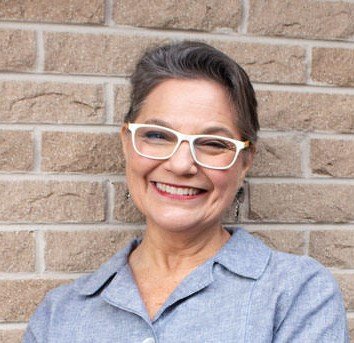
Deb Witzel
Deb Witzel, M.A., is the founder of 3 Stories Consulting LLC and Restorative Approaches to Intimate Violence (501.c.3). She served as a Probation Supervisor for the Domestic Violence Team, Victim Services and Restorative Justice Practices in the 20th JD and was the inaugural Statewide Coordinator for Restorative Justice at the State Court Administrator’s Office. As a coach/mentor for the National Center on Restorative Justice (NCoRJ) she works with a variety of people to integrate Restorative Leadership skills.
As Adjunct Faculty for the National Criminal Justice Training Center through Fox Valley Technical College she teaches restorative justice practices and facilitation. Fostering the development of new restorative justice practitioners and leaders is one of her great joys. Deb shares her 20+ years of experience supporting people and organizations in learning and utilizing restorative approaches to move through conflict, develop healthy leadership, innovate collaboratively and be more open and connected as humans and community. Much of her career,
Deb has worked with systems to utilize restorative practices to better serve people who serve within them and have relationships with them. Deploying her decades of improv, healing modalities and motivational interviewing skills, Deb listens deeply to ask useful questions that enliven the moment and generate thoughtful engagement. Deb’s passion is inspiring others to engage restoratively toward a healthier paradigm for being human and a stronger sense of community.
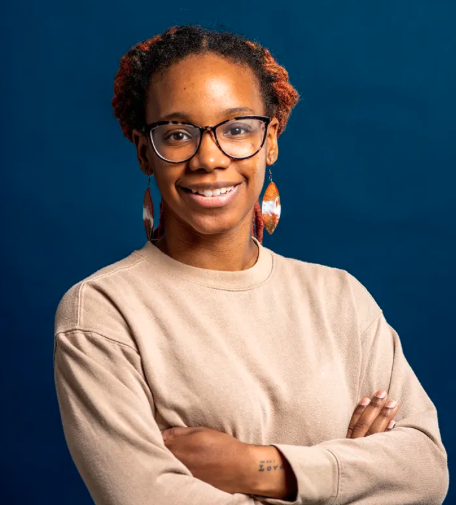
Karlyn Boens
Karlyn Boens is a nonprofit strategist, restorative justice practitioner, and lifelong learner
committed to embracing, inspiring, and empowering BIPOC communities. Her work focuses on fostering resilience and equity through restorative practices and innovative approaches to community-building. Karlyn holds a Master of Social Work with a focus on Planning and Administration from Chicago State University and a Certificate in Nonprofit Management from the University of Illinois Chicago. Currently pursuing a PhD in Industrial-Organizational Psychology at Adler University, her research focuses on nonprofit resilience—examining the capacity-building strategies nonprofits use to recover from crises and sustain their impact.
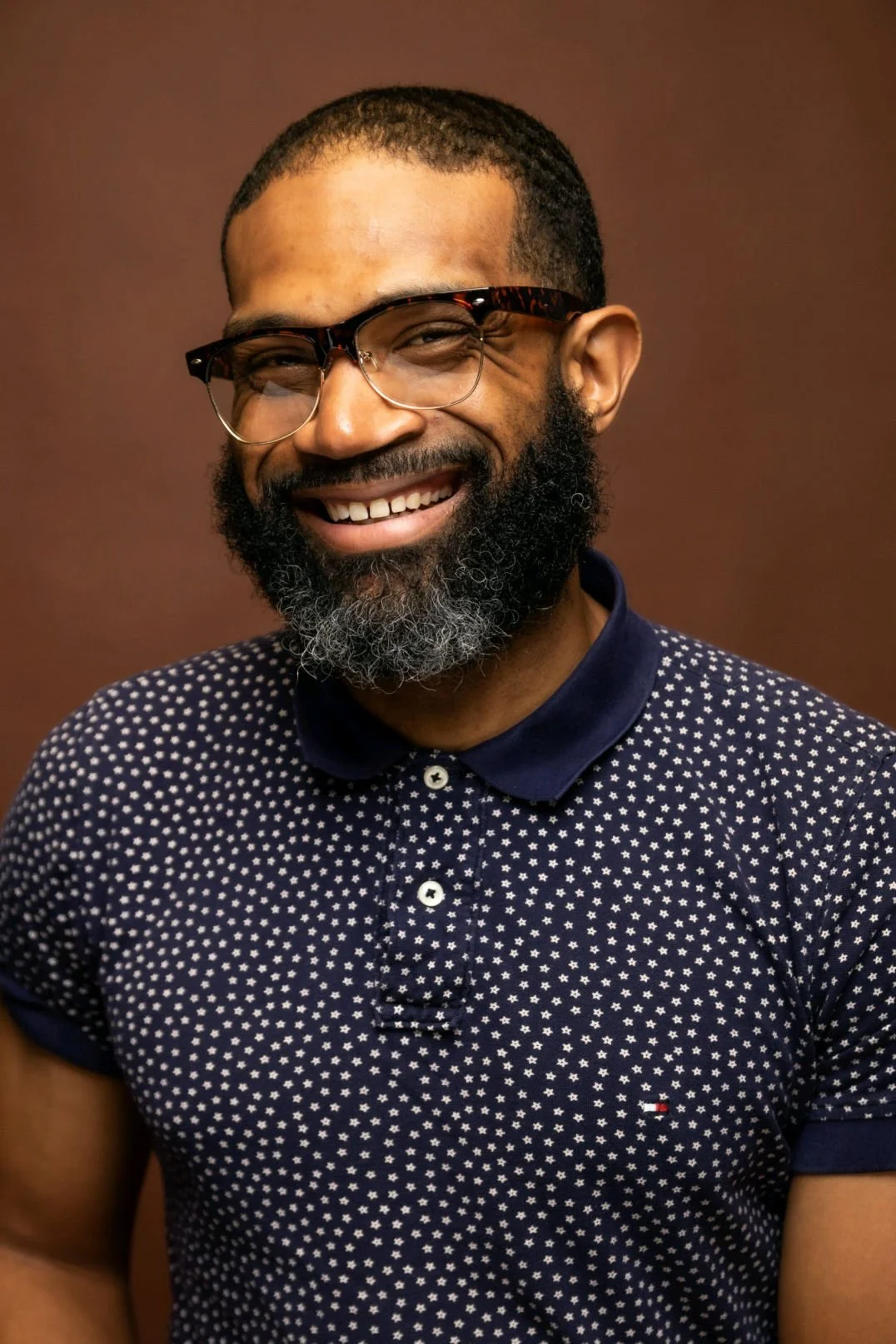
Lamarr Lewis
Lamarr Lewis’ lifelong mission is to leave the world better than how he found it. He is a dedicated advocate, author, and agent of change. With a focus on the human side of workplace culture, he has supported diverse groups including individuals living with psychiatric disabilities, people in recovery from substance abuse, and at-hope youth (He does not use the term at-risk).
His career spans over twenty years with experience in community-based mental and public health, as a therapist, consultant, public speaker, facilitator, trainer, and human service professional. Lamarr integrates “A therapist’s lens to organizational problems,” fostering accountability, healing, empathy, and equity in the communities he serves.
He is an alumnus of Wittenberg University graduating with a Bachelor of Arts in Sociology with minors in Africana Studies and Religion. He later received his master’s degree in clinical mental health counseling from Argosy University.
He has been a featured expert for such organizations as; Boeing, Region IV Public Health Training Center, the Georgia Mental Health Consumer Network, Fulton County Probate Court, Mississippi Department of Health, the Mississippi Band of Choctaw Indians, ASTHO, NNPHI, and many more.
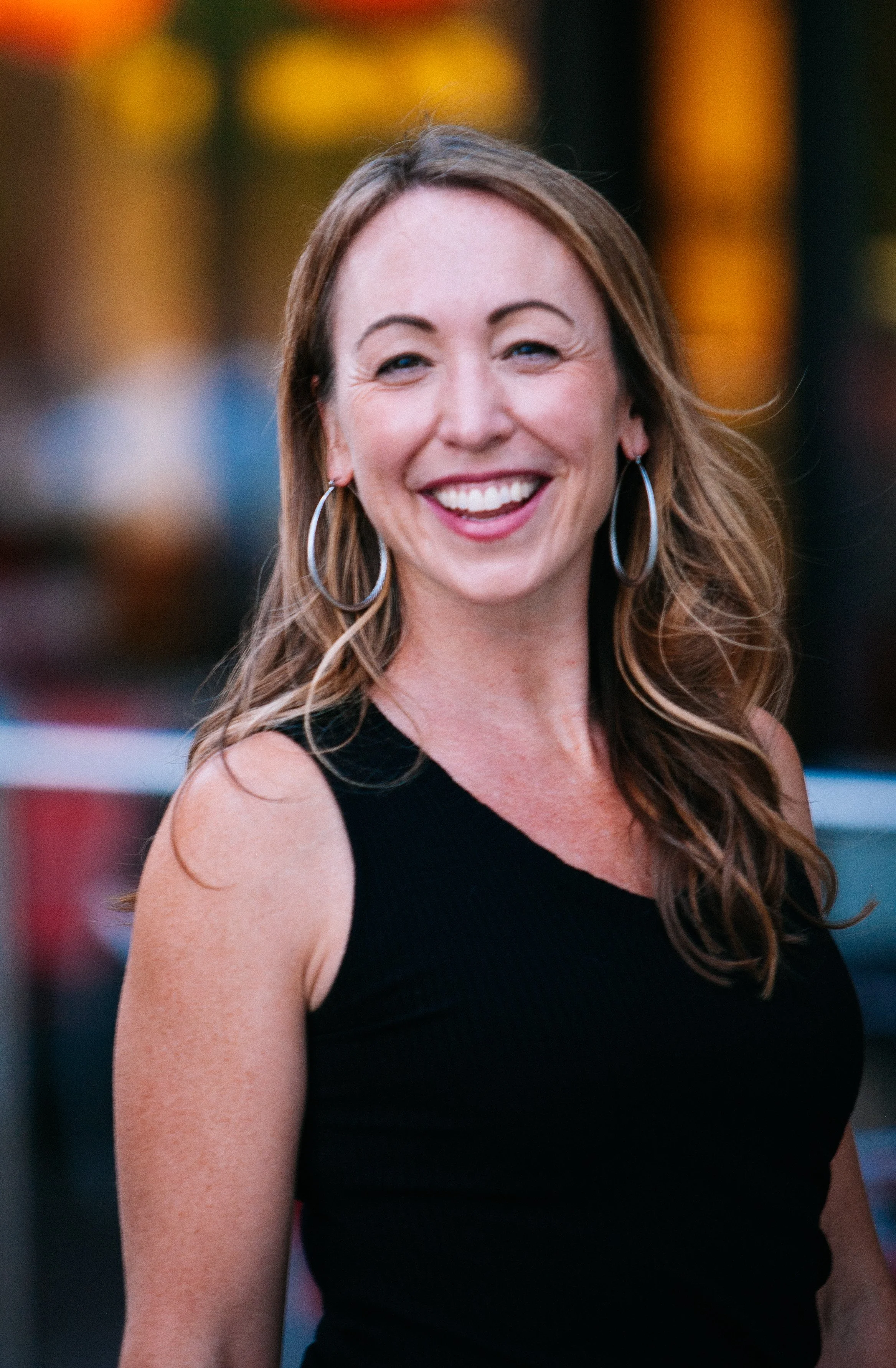
Kathleen McGoey
Kathleen McGoey (she, her) is a trainer and facilitator of restorative justice practices and conflict transformation. Kathleen launched Kathleen McGoey & Associates, Inc. (KMA) in April 2021. She and her team provide training and facilitation of restorative processes to businesses, nonprofits, families, and community groups worldwide. She is the former Executive Director of Longmont Community Justice Partnership (now BRITE Collaborative), where she oversaw community restorative justice programs in partnership with police and schools for 8 years.
Kathleen has an MA in International Peace and Conflict Studies from the University of Innsbruck, Austria, and a BA from the University of Notre Dame. She began facilitating conversations around social justice issues in Tijuana, Mexico while serving as the Executive Director of Los Embajadores. She has published 3 books, including co-authoring The Little Book of Restorative Teaching Tools and The Little Book of Restorative Teaching Tools for Online Learning (Skyhorse, 2020 & 2024). She runs RestorativeTeachingTools.com, a free collection of activities for teaching restorative practices. Kathleen speaks Spanish and is recognized for providing engaging, inclusive learning environments that prioritize authenticity, joy, and play.
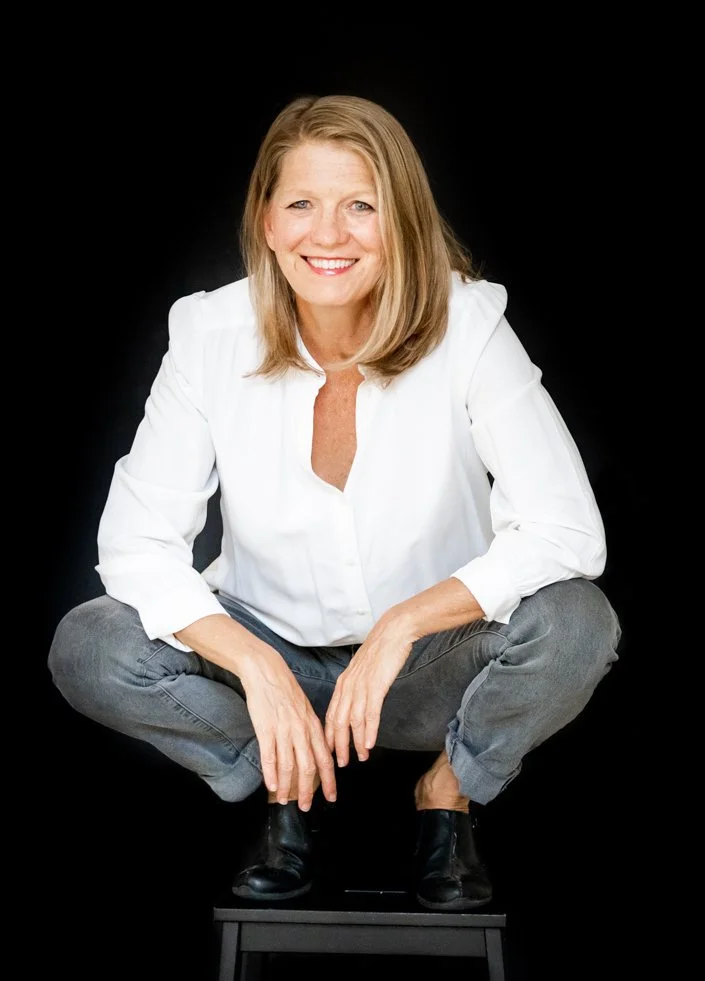
Johanna Walker
Johanna Walker is a storyteller, message whisperer, and champion for true voice. As a speaking coach, performer, and facilitator, she is committed to helping people speak the truths that matter most—especially in spaces where it’s historically been risky or unsafe to do so. Her work centers voice as a tool for connection, healing, and justice.
With a background spanning more than 20 years in the arts, education, and social change, Johanna has worked with activists, educators, nonprofit leaders, and mission-driven teams to cultivate courageous communication and presence. She supports individuals and groups in building cultures of trust, accountability, and belonging through story, deep listening, and embodied leadership.
Johanna approaches community and leadership development with a belief that everyone carries wisdom worth sharing—and that the way we speak and listen can shift power, transform conflict, and create new possibilities. Her spaces are playful, real, and rooted in a deep respect for people’s lived experience. Whether working with individuals or teams, she brings her full heart to the work of voice, equity, and liberation.
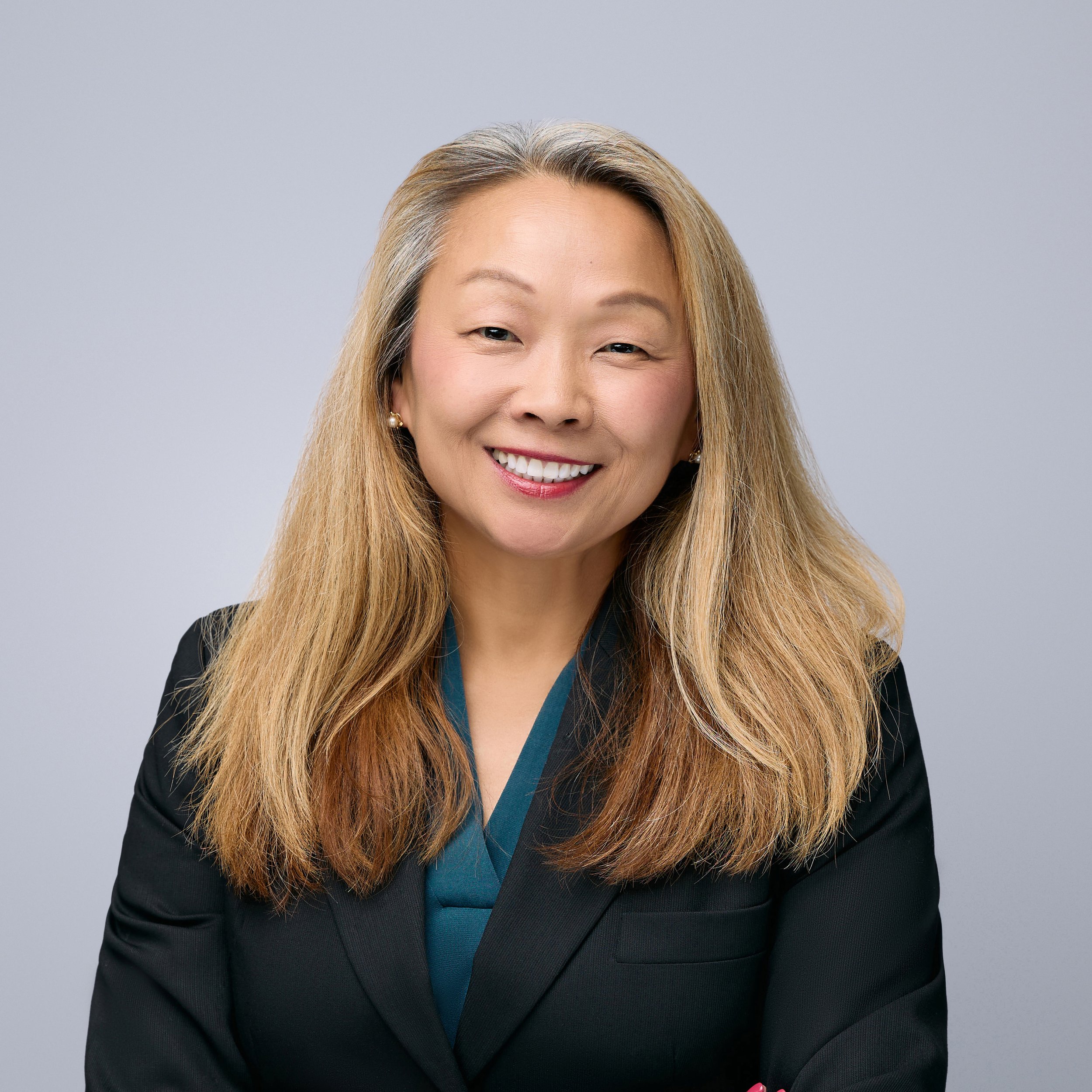
Melora Bentz
I would like to offer services that fall under conflict management services (mediation, facilitated conversations, RJ and transformative circles). I am an experienced mediator and work with in the traditional legal system conducting mediations as a contract mediator with the CO Judicial Branch Office of Dispute Resolution. I also provide education and training services to organizations which might include conflict management, culture assessment, policy & procedure review, other organizational management consulting, Equity, Diversity, and Inclusivity training and education; and leadership coaching for those in the difficult position of managing those in conflict. I believe my services are unique, especially in Colorado, because I am a female-identifying (brown) immigrant woman, adoptee & naturalized citizen, with lived experience with these identities. I am a former state and federal public defender, former labor and employment litigator for the federal government, yoga and meditation guide (10+ yrs), and restorative practices advocate. With experience in the traditional legal system as well as the indigenous peacekeeping traditions that have been passed on to us, I have the ability to flow between the two, allowing one approach to inform the other; or to pick and choose as needed to fit the situation and the individuals involved.